Quick answer: Expect a development sample in project-specific timing for ~a project-specific sample cost, and budget for 1–2 rounds. Never approve bulk until a physical sample passes fit, opacity, wash and construction checks.
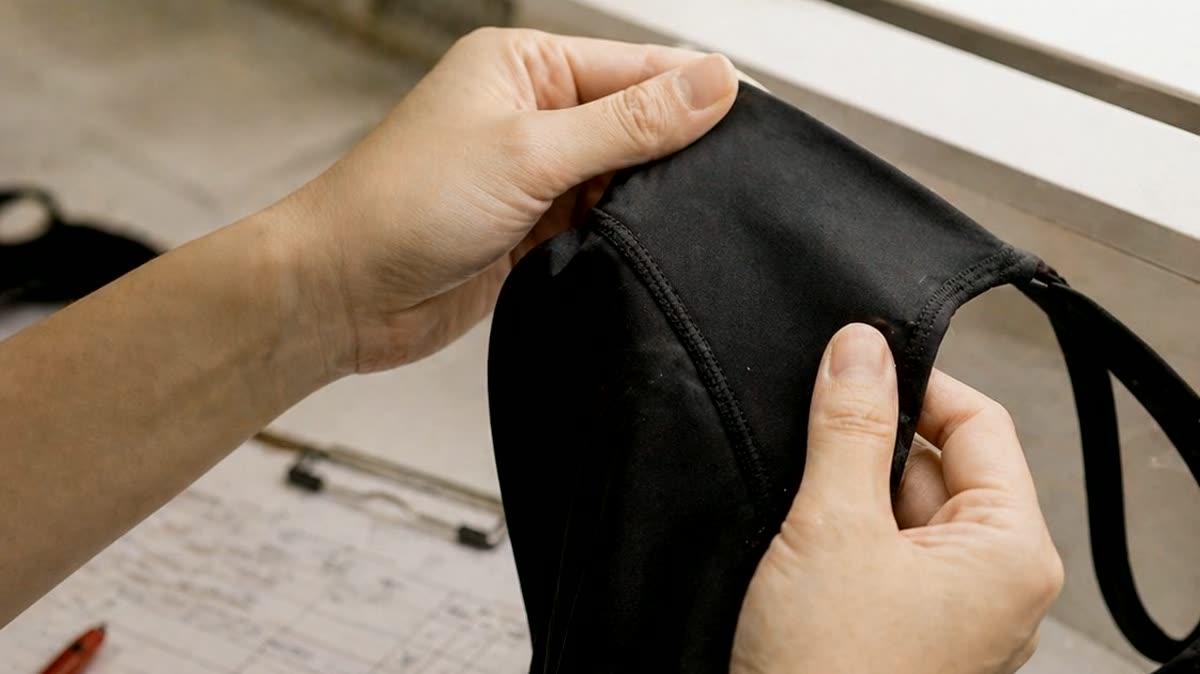
Types of samples
- Development / fit sample: proves the pattern, fit and construction. The important one.
- Pre-production (PP) sample: the final, with your real fabric, color, trims and labels — sign off on this before bulk.
- Size set: samples across sizes to check grading.
Cost & lead time
Around a project-specific sample cost per style, project-specific timing (often credited against your bulk order). Plan for 1–2 iterations to nail fit — that's normal, not a red flag.
How to evaluate a sample (checklist)
- Fit: on a real body, in your target size. Move, squat, raise arms.
- Opacity: squat test under bright light — no see-through.
- Fabric: hand-feel, weight, recovery (does it snap back?).
- Construction: seams flat and even, gusset present, no skipped stitches.
- Wash test: wash and dry — check shrinkage, color bleed, pilling.
- Branding: logo placement, label, hangtag correct.
Give feedback that gets results
Be specific and measured: "waistband 2cm too low", "fabric too thin at seat, go heavier GSM", with photos. A good factory iterates fast on clear notes.
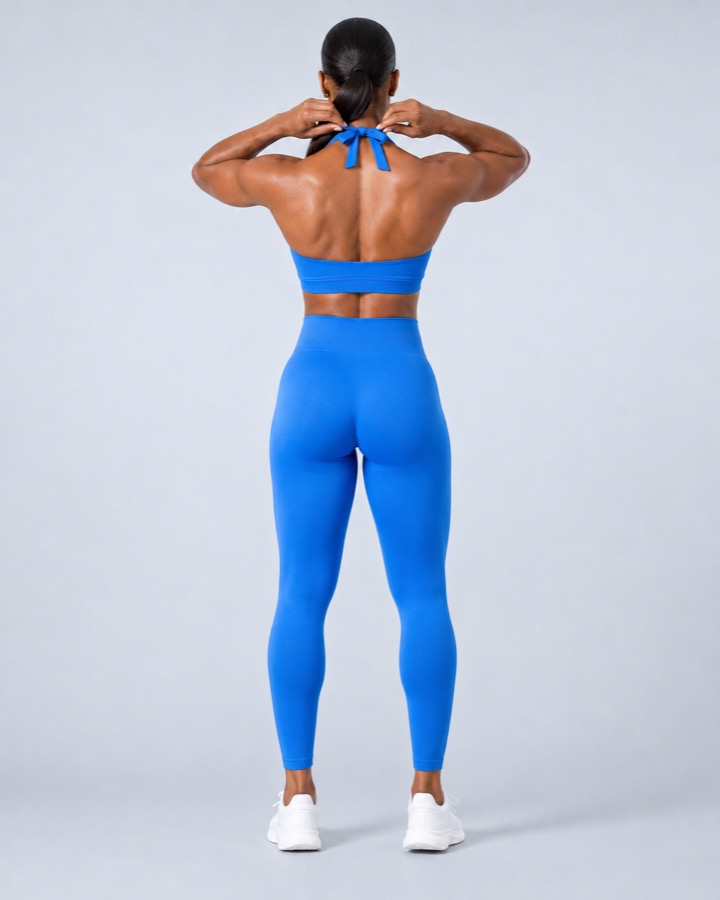
The sampling timeline, day by day
A realistic seamless sampling loop starts after the spec is confirmed and depends on yarn availability, machine setup, dyeing, finishing and courier timing. The main steps are yarn allocation, machine programming, knitting and linking, dyeing or color approval, finishing, measurement against the spec sheet, photos and courier pickup. International shipping adds extra time depending on destination and service level.
Multiply that loop by rounds: most brands need two fit rounds before bulk, three if the style is new to their fit block. Budget 4–6 weeks total for sampling on a first collection and you will rarely be surprised — the lead-time guide shows how sampling overlaps bulk scheduling.
How to read your first fit sample
When the parcel arrives, resist the urge to judge by look alone. Work through this order: first, measure every point of measure (POM) on the spec against the garment lying flat — waistband relaxed, inseam, rise, underband. A seamless garment should land within ±1.5 cm on major POMs. Second, stretch recovery: pull the waistband to full extension, release, and measure again after ten minutes; more than 2 cm of growth signals the wrong spandex ratio. Third, put it on a real body — the target size wearer, not a mannequin. Squat, sit, reach overhead. Check opacity in daylight, waistband roll, and where seams sit on the shoulder and hip.
Photograph problems flat AND worn, circle them, and send one consolidated comment sheet. Factories work best from a single numbered list per round.
The mistakes that add whole extra rounds
Three habits burn sampling time. Changing multiple variables at once — new fabric AND new length AND new waistband in round two — makes it impossible to attribute what worked; change systematically. Approving from photos or video instead of the physical garment; screen colors lie and hand-feel does not travel through a lens. And skipping the wearer trial: a garment that measures perfectly can still ride, dig or gap in motion, and finding that out in bulk is a five-figure lesson. One extra day of wear-testing per round is the cheapest insurance in this industry.
Sample costs and how the money works
Sampling is usually charged per style, sometimes with the fee credited back against a confirmed bulk order. Lab dips for custom colors are quoted separately, and courier cost often sits with the buyer. What should make you cautious is a supplier that charges nothing at all up front: sampling consumes real machine time, and the cost is usually recovered somewhere less visible. Use the pricing & MOQ page to prepare the details needed for a realistic quote.
Lab dips and strike-offs: the color loop
Custom colors run on their own approval track, parallel to fit. A lab dip is a small dyed swatch of your actual fabric matched to a Pantone TCX code — expect 2–3 options per color (light/on/dark side of the standard) in 5–7 days. Approve under D65 daylight and store light both, because knit fabrics metamerise: a perfect match under office LEDs can drift green in daylight. For prints, the equivalent is a strike-off — your artwork on the real fabric at production settings. Approve dips and strike-offs in writing before bulk fabric is dyed; color is the one thing that cannot be fixed after the fact.
The three-sample system professionals use
Fit sample: made to prove the pattern and measurements — often in available fabric or color, judged only on fit. Pre-production (PP) sample: made from bulk fabric, bulk trims, approved colors — this is the golden sample your inspection will compare against, so sign and keep one of each size you sell. Shipment (TOP) sample: pulled from the actual bulk run before packing, confirming production matched the PP standard. Brands that collapse these into one sample save a week and routinely lose a season. The PP sample in particular is your legal and practical anchor for the AQL inspection.
FAQ
How much does a clothing sample cost?
Sample cost and timing should be confirmed per style after fabric, fit, branding and courier requirements are reviewed.
How many sample rounds should I expect?
Typically 1–2 rounds to finalise fit and details. Complex styles may need more.